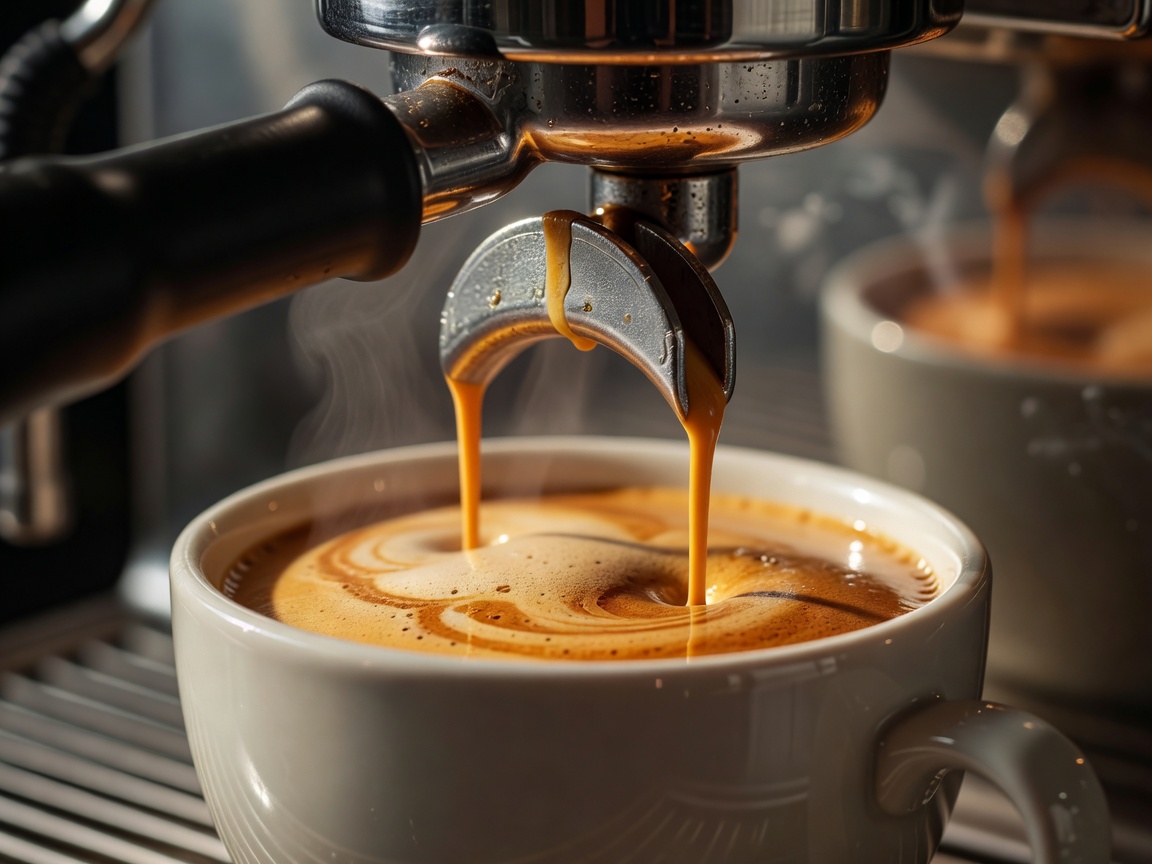
Espresso is defined by parameters that are unforgiving. Unlike immersion or gravity-fed methods, espresso forces highly pressurized, temperature-controlled water through a compacted puck of finely ground coffee. When evaluating manual and semi-automatic espresso machinery, the distinction between aesthetic appliances and functional tools comes down to thermal stability, pressure regulation, and mechanical reliability.
Boiler Architecture: Single, HX, and Dual Systems
The beating heart of any espresso machine is its heating system. The transition from entry-level to prosumer equipment is largely a journey through boiler complexity. Understanding these architectures is critical before making an investment.
Single Boiler, Dual Use (SBDU): These entry-level systems use one boiler for both brewing and steaming. Because brewing requires water at roughly 200°F and steaming requires temperatures above 212°F, the user must wait for the machine to change temperatures between tasks. While capable of excellent espresso, they are highly inconvenient when preparing milk drinks back-to-back.
Heat Exchanger (HX): A significant step up, HX machines feature a single, large steam boiler containing water maintained above boiling point. A secondary tube—the heat exchanger—runs through this boiler. Fresh water from the reservoir passes through this tube, flash-heating to brew temperature before hitting the group head. This allows simultaneous brewing and steaming, though it often requires a "cooling flush" to purge overheated water from the line before extraction.
Dual Boiler (DB): The gold standard for thermal stability. One boiler is dedicated entirely to brewing at a precise, PID-controlled temperature, while a separate, high-pressure boiler is dedicated solely to steam production. This eliminates temperature surfing and provides the utmost consistency cup after cup.
Pressure Profiling and Flow Control
Traditionally, a rotary or vibratory pump applies a static 9 bars of atmospheric pressure to the coffee bed. However, modern espresso theory has evolved beyond flat pressure curves. Manual lever machines, an older technology experiencing a renaissance, inherently profile pressure: the user compresses a spring or manually pushes a piston, starting with high pressure and gradually tapering off as the shot progresses. This declining pressure profile reduces channeling and extracts sweeter, less astringent compounds at the end of the shot.
Contemporary semi-automatics now incorporate flow control valves. These mechanical paddles sit atop the group head, allowing the barista to restrict the aperture of the water path. By altering flow dynamically, the operator can pre-infuse the puck at 2 bars, ramp up to 9 bars for peak extraction, and slowly decline the flow to mimic a traditional lever machine. This level of control is essential for extracting highly acidic, light-roast specialty coffees that would taste excessively sharp under a static 9-bar profile.
The Crucial Role of the Grinder
It is a common industry axiom that the grinder is more important than the espresso machine. A $3,000 dual-boiler machine fed by a substandard grinder will produce inherently flawed espresso. The goal of an espresso grinder is bipartite: uniform particle size distribution, and the generation of adequate "fines" (microscopic coffee dust) to provide hydraulic resistance against 9 bars of pressure.
- Flat Burrs: Generally emphasize clarity, flavor separation, and higher extraction yields. They produce a very unimodal grind distribution.
- Conical Burrs: Tend to produce a bimodal distribution (two distinct peaks of particle sizes). This often translates to heavier body, thicker crema, and a more blended flavor profile typical of traditional Italian espresso.
Maintenance and Longevity
Manual and semi-automatic machines are industrial tools scaled down for home use. They require diligent maintenance schedules. Backflushing with specialized detergent is necessary to break down rancid coffee oils in the three-way solenoid valve and group head. Gaskets and shower screens must be replaced annually. Above all, water chemistry is paramount. Scale buildup (calcium carbonate) will destroy heating elements and clog fine restrictors. Using properly filtered or formulated water is not optional; it is a structural requirement for the lifespan of the equipment.
Mastering manual espresso is an active pursuit. It requires an understanding of physics, chemistry, and sensory analysis. For those willing to learn the variables, the manual espresso machine offers the highest ceiling for coffee quality achievable in the home.